


Choosing the right backpack sounds simple at first. You see a bag that looks good, the size seems fine, and the price fits your budget. But once you start using it every day, small details can make a big difference.
A backpack that is too small can feel frustrating because you are always forcing things inside. A backpack that is too large may feel bulky, heavy, and awkward for daily use. A bag with poor straps can make your shoulders sore. A backpack without the right compartments can turn into a messy space where your laptop, keys, charger, bottle, and notebooks all get mixed together.
The best backpack is not always the biggest, most expensive, or most stylish one. It is the one that fits how you actually use it.
This guide explains the main things to look at before buying a backpack, including size, storage, comfort, laptop protection, material, water resistance, and everyday use.
Start With How You Plan to Use the Backpack
Before looking at colors, brands, or design, think about your main purpose. A backpack used for school is different from one used for office work, travel, hiking, gym, or casual errands.
For school, you may need space for books, folders, lunch, stationery, and maybe a laptop or tablet. For work, you may want a cleaner design with a padded laptop compartment, charger pocket, and enough room for documents. For travel, you may need more capacity, stronger zippers, side pockets, and easy-access sections. For daily casual use, you may only need a simple backpack that holds your essentials without feeling too large.
This matters because many people buy a backpack based only on looks. Then they realize later that it does not match their routine. A stylish mini backpack may look nice, but it may not fit a laptop. A large hiking-style pack may offer lots of space, but it may look too bulky for office use. A school backpack may carry books well, but it may not have the polished appearance some people prefer for work.
A good rule is to ask: “What will I carry most days?” That simple question can help narrow down the right size, shape, and features.
Choose the Right Backpack Size

Backpack size is one of the most important things to get right. Too small, and you will struggle with space. Too big, and you may end up carrying more weight than you need.
Backpack capacity is often measured in liters. While not every product listing makes this clear, the liter size gives you a useful idea of how much the bag can hold.
A small backpack, usually around 10 to 15 liters, is good for light daily use. It may fit a wallet, phone, keys, small tablet, water bottle, and a few personal items. This size works well for short outings, quick errands, or minimalist carry.
A medium backpack, often around 16 to 25 liters, is one of the most practical choices for everyday use. It can usually hold books, a laptop, charger, water bottle, lunch, and other daily items without feeling too oversized. This is a common size range for students, office workers, and commuters.
A larger backpack, around 26 to 35 liters, is better for travel, gym use, heavy school loads, or people who carry extra items. It gives more room, but it can also feel bulkier. If you do not need the space, a large backpack may become uncomfortable for daily use.
Backpacks above 35 liters are usually better for longer travel, outdoor use, or special purposes. They are not always ideal for regular school, office, or daily carry unless you truly need the extra space.
Size should also match your body. A backpack may technically hold everything, but if it is too tall or wide for your frame, it may feel uncomfortable. The bag should sit neatly on your back without hanging too low or pulling your shoulders backward.
Check the Laptop Compartment Carefully
If you carry a laptop, the laptop compartment should be one of your top priorities.
Do not assume every backpack can safely hold a laptop just because it looks large enough. A proper laptop backpack should have a padded section that protects the device from bumps and pressure. The compartment should fit the laptop size closely, without too much loose space.
Common laptop sizes include 13-inch, 14-inch, 15.6-inch, and 17-inch. Many backpacks clearly mention the laptop size they support, but it is still smart to check the product details. A backpack listed for a 15-inch laptop may not always fit every 15.6-inch model, especially if the laptop is thick or has a large frame.
A good laptop compartment should ideally be raised slightly from the bottom of the bag. This helps prevent the laptop from hitting the floor directly when you put the backpack down. Some backpacks also include a strap or sleeve closure to keep the laptop from moving around.
If you travel often, a separate laptop section can be helpful because it makes airport checks or quick access easier. For school or work, a padded laptop pocket also helps keep the device away from books, bottles, food containers, and other items.
Think About Storage and Organization

Storage is not just about having a big empty space. A backpack should help you organize your things in a way that makes sense.
A single large compartment can be useful for clothes, books, or bulky items. But for everyday use, too much open space can become messy. Smaller pockets and sections help keep your items easy to find.
Look for a main compartment that fits your larger items. This may include books, folders, clothes, or lunch. Then check for a front pocket or organizer section where you can place pens, keys, chargers, earbuds, wallet, or small accessories.
Side pockets are useful if you carry a water bottle or umbrella. Make sure the side pocket is deep and secure enough. Some side pockets look nice but are too shallow, causing bottles to slip out easily.
A hidden back pocket can be helpful for important items like a passport, cash, or phone when traveling. For work or commuting, a small quick-access pocket near the top of the bag can be useful for things you reach for often.
The key is balance. Too few pockets can make the backpack messy. Too many pockets can make it confusing and reduce usable space. A practical backpack gives you enough organization without making the layout complicated.
Pay Attention to Shoulder Straps
Comfort often starts with the shoulder straps. Even a well-designed backpack can feel uncomfortable if the straps are too thin, stiff, or poorly padded.
Look for shoulder straps that are wide enough to spread weight across your shoulders. Thin straps can dig into your body, especially when the backpack is full. Padded straps are better for school, work, travel, and any situation where you carry the bag for long periods.
Adjustable straps are also important. They allow you to position the backpack properly on your back. If the straps are too loose, the backpack may hang low and pull on your shoulders. If they are too tight, the bag can feel restrictive.
The backpack should sit close to your back, with the bottom of the bag around your lower back or waist area. It should not hang too low. A low-hanging backpack can put extra strain on your shoulders and back.
For heavier loads, a chest strap or sternum strap can help. It keeps the shoulder straps in place and spreads the weight more evenly. This is especially useful for travel backpacks, hiking packs, or larger school bags.
Look at Back Padding and Airflow
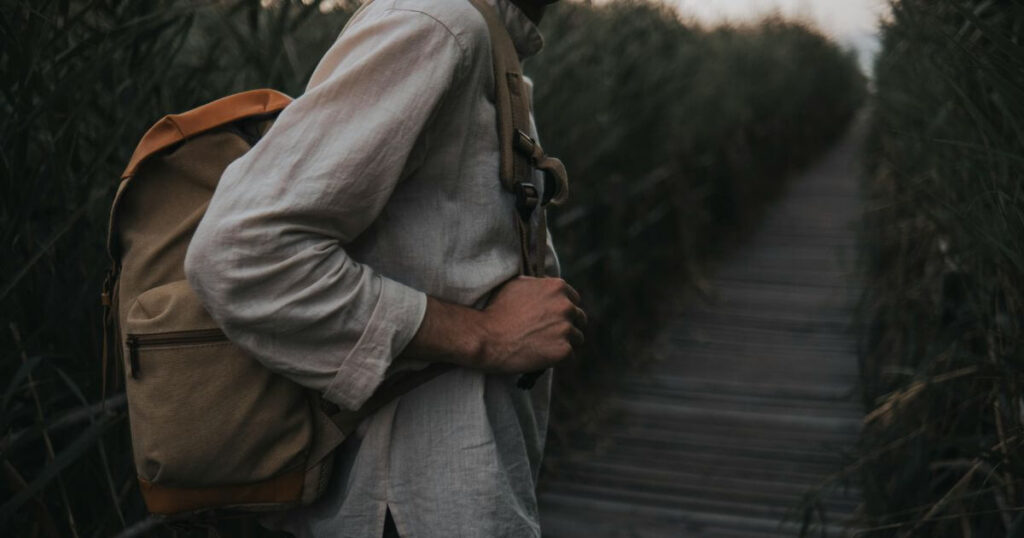
Many people focus on the front of the backpack because that is what they see first. But the back panel is just as important.
A padded back panel adds comfort and helps protect your back from hard items inside the bag. Without padding, books, chargers, or laptop edges may press against your back.
Some backpacks also include airflow channels or breathable mesh. This can help reduce heat and sweat, especially if you walk a lot, commute, or live in a warm climate. A flat, non-breathable back panel may feel fine for short use, but it can become uncomfortable during longer wear.
For everyday use, you do not always need a heavy-duty hiking-style back system. But some padding and structure are helpful. A backpack that collapses too easily may feel awkward when loaded, while a structured back panel helps the bag sit better.
Consider the Weight of the Backpack Itself
The weight of an empty backpack matters more than many people think.
Some backpacks look strong and premium, but they are already heavy before you put anything inside. Once you add a laptop, books, bottle, charger, and other items, the total weight can become uncomfortable.
For everyday use, try to choose a backpack that feels sturdy but not unnecessarily heavy. Lightweight backpacks are easier to carry, especially for students, commuters, and travelers. However, do not choose a bag that feels too thin or weak just because it is light.
The best choice is a balance between durability and comfort. A backpack should feel strong enough for your routine but not so heavy that it becomes tiring.
Check the Material
Backpack material affects durability, water resistance, weight, and appearance.
Polyester is common in many everyday backpacks. It is usually lightweight, affordable, and available in many styles. Nylon is also popular and often used in travel, outdoor, and laptop backpacks because it can be strong while staying relatively light.
Canvas gives a more casual or classic look. It can feel sturdy, but it may be heavier and may not always resist water as well unless treated. Leather or faux leather backpacks often look more polished and stylish, making them suitable for work or fashion-focused use. However, they may require more care and can be heavier than fabric backpacks.
For kids’ backpacks, material should be easy to clean and strong enough for daily school use. For travel backpacks, stronger fabric and reinforced stitching are more important because the bag may be handled roughly.
Always look beyond the material name. Stitching, zipper quality, lining, and bottom reinforcement also matter. A backpack can use good fabric but still fail if the seams, straps, or zippers are weak.
Understand Water Resistance
Water resistance is helpful, but it is important to understand what it actually means.
A water-resistant backpack can usually handle light rain or small splashes for a short time. This is useful for school, commuting, and daily errands. However, water-resistant does not always mean waterproof.
A waterproof backpack offers stronger protection against water, but it may be designed for outdoor, boating, biking, or heavy rain conditions. Waterproof designs can sometimes feel less flexible or less stylish for everyday use.
For most people, a water-resistant backpack is enough. It can help protect your laptop, books, and personal items if you get caught in light rain. If you often walk outdoors, travel in rainy areas, or carry electronics daily, water resistance becomes more important.
Also check the zippers. Even if the fabric resists water, regular zippers may still allow water to enter. Some backpacks include covered or water-resistant zippers for extra protection.
Match the Backpack to Your Daily Routine
The right backpack should fit your lifestyle, not just your shopping list.
For students, space and comfort are usually the main priorities. A good school backpack should fit books, notebooks, lunch, a bottle, and school supplies. Padded straps and a strong base are helpful because school bags can get heavy.
For college students, a laptop compartment becomes more important. The backpack should also have room for chargers, notebooks, headphones, and maybe a change of clothes or gym items.
For office use, a cleaner design may be better. Many people prefer a laptop backpack that looks simple, neat, and professional. Too many bright colors, large logos, or bulky outdoor features may not match a work setting.
For travel, look for easy-access pockets, strong zippers, comfortable straps, and enough room for extra clothing or travel accessories. A luggage strap can be useful if you want to slide the backpack over a suitcase handle.
For parents, a backpack may need to carry snacks, bottles, wipes, extra clothes, and personal items. In this case, organization and easy cleaning matter more than appearance alone.
For casual everyday use, choose something comfortable, simple, and not too large. A medium-size backpack with a few useful pockets is often enough.
Do Not Ignore Zippers and Hardware
Zippers are small details, but they affect daily use a lot.
A weak zipper can make a backpack frustrating, even if the rest of the bag is good. Look for zippers that feel smooth and strong. They should open and close easily without catching on the fabric.
Double zippers on the main compartment are useful because they let you open the bag from either side. They also make packing easier. For travel, zipper pulls that are easy to grip can be helpful.
Buckles, clips, strap adjusters, and handles should also feel secure. A top handle is useful when you want to quickly grab the bag, hang it, or move it without wearing it. The handle should be stitched firmly, especially if the backpack will carry heavy items.
Choose a Style You Will Actually Use
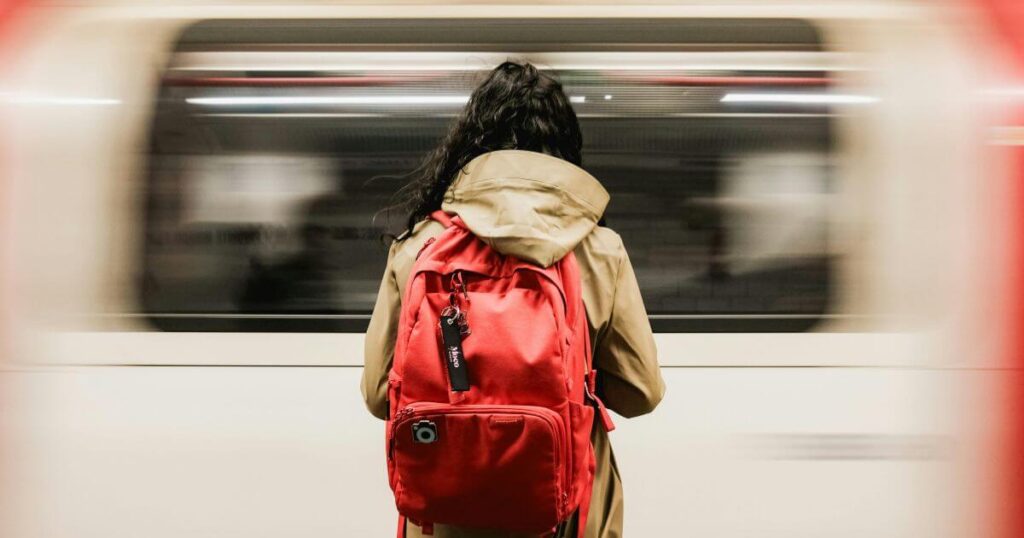
Function matters, but style still matters too. You are more likely to use a backpack regularly if you like how it looks.
A black or neutral backpack is easy to match with school, work, travel, or casual outfits. A colorful backpack may be better for kids, students, or anyone who wants something more fun. A leather or faux leather backpack can look more polished. A sporty backpack may suit gym, outdoor, or active use.
The important thing is not to choose style over practicality. A backpack can look beautiful but still be annoying if it has poor storage, uncomfortable straps, or the wrong size.
Try to find a backpack that gives you both: a look you like and features that support your everyday needs.
Common Backpack Buying Mistakes to Avoid
One common mistake is buying a backpack that is too big “just in case.” Extra space can be useful, but a large backpack may encourage you to carry more than necessary. It can also feel bulky in school halls, buses, trains, offices, or small spaces.
Another mistake is ignoring the laptop size. A backpack may say it fits laptops, but that does not mean it fits your exact laptop. Always check the supported size.
Some people also focus only on the outside design. They forget to check the inside layout, pocket placement, or padding. A backpack should look good, but it should also make daily carrying easier.
Another mistake is choosing the cheapest option without checking quality. A low-priced backpack can be fine for light use, but if you carry heavy items every day, weak straps or poor zippers may wear out quickly.
Finally, avoid buying a backpack that does not match your real routine. A travel backpack may be too large for daily office use. A fashion backpack may be too small for school. A basic school bag may not protect a laptop well. Match the bag to your actual needs.
Quick Backpack Checklist Before Buying
Before choosing a backpack, ask yourself these questions:
- Can it fit the items I carry most often?
- Is the size right for my body and daily routine?
- Does it have a padded laptop compartment if I need one?
- Are the shoulder straps padded and adjustable?
- Does the back panel feel comfortable?
- Are there enough pockets for organization?
- Is the material suitable for daily use?
- Does it offer enough water resistance for my lifestyle?
- Do the zippers and handle feel strong?
- Will I still like the style after using it regularly?
These simple questions can help you avoid choosing the wrong bag.
Final Thoughts
A good backpack should make your day easier. It should carry your items safely, feel comfortable on your shoulders, and match the way you live, study, work, or travel.
The right choice depends on more than appearance. Size, storage, laptop protection, material, comfort, water resistance, and daily use all matter. A backpack that works well for a student may not be the best option for an office worker. A travel backpack may not be ideal for short errands. A small stylish backpack may not work if you carry books or electronics every day.
Start with your purpose, then choose the size and features that support it. When a backpack fits your real routine, you are more likely to use it often and enjoy it for a long time.